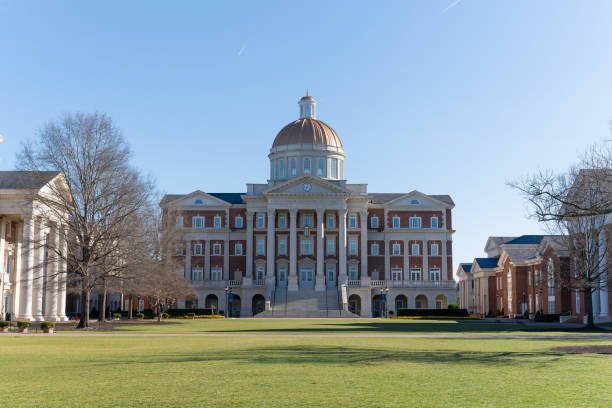
I still remember the day I first said out loud, “I want to study in the USA.” It sounded exciting, powerful, and full of promise. The USA is often sold as the land of endless opportunity, world-class universities, and life-changing exposure. And to be fair, a lot of that is true. But what I later realized is that studying in the USA comes with realities many students don’t fully understand until they’re already deep into the process—or worse, already there.
This article is not meant to scare you. It’s meant to prepare you. Because when you know the real costs, the realopportunities, and the hidden challenges, you make smarter decisions and avoid painful surprises.
The Real Cost of Studying in the USA
Let’s start with the part everyone whispers about but rarely breaks down properly: money.
Tuition Fees: The Biggest Expense
Tuition in the USA depends heavily on the type of school and program.
Average annual tuition (USD):
-
Public universities (out-of-state students): $10,000 – $25,000
-
Private universities: $30,000 – $55,000
-
Community colleges: $6,000 – $12,000
Many students see the lower figures and assume that’s the full story. It’s not.
Living Expenses: Where Budgets Break
Living costs in the USA vary wildly by city and state.
Average monthly living costs (USD):
-
Rent: $500 – $1,200
-
Food: $250 – $400
-
Transportation: $70 – $150
-
Utilities & internet: $100 – $200
If you’re studying in cities like New York, Boston, Los Angeles, or San Francisco, expect costs on the higher end—or beyond.
Health Insurance: Mandatory and Expensive
This is one of the biggest surprises for international students.
Annual health insurance cost (USD):
-
$1,000 – $3,000
Many universities require you to use their insurance plan, which can be costly but non-negotiable.
Other Costs Students Forget to Budget
-
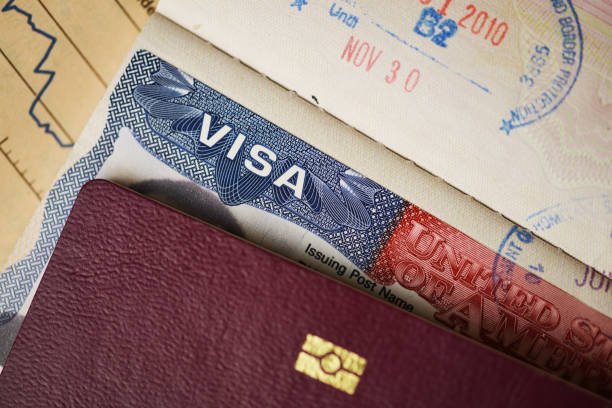
Visa application and SEVIS fee: $500+
-
Books and academic materials: $500 – $1,200 per year
-
Winter clothing (for cold states): $300 – $800
-
Emergency expenses
When everything is added up, studying in the USA often costs $25,000 – $60,000 per year depending on your choices.

Proof of Funds: The Silent Gatekeeper
Before your visa is approved, you must prove you can afford:
-
One year of tuition
-
One year of living expenses
This usually means showing $30,000 – $60,000 in accessible funds. Even if you plan to work part-time, immigration officers don’t count that as guaranteed income.
Work Opportunities for International Students
This is where expectations need to be realistic.
On-Campus Work
International students on F-1 visas can:
-
Work up to 20 hours per week during school
-
Work full-time during breaks
Average pay: $10 – $15 per hour
These jobs help with food and small bills but won’t cover tuition.
Off-Campus Work: The Rules Are Strict
Off-campus work is only allowed under specific programs like:
-
CPT (Curricular Practical Training)
-
OPT (Optional Practical Training)
Working illegally is one of the fastest ways to lose your visa status.
The Real Opportunities Studying in the USA Offers
Despite the costs, the USA still attracts millions of students for good reasons.
World-Class Education
American universities lead in:
-
Research
-
Innovation
-
Technology
-
Business and entrepreneurship
Degrees from US institutions carry strong global recognition.
Flexible Education System
The US system allows:
-
Changing majors
-
Combining disciplines
-
Transferring credits
This flexibility is rare in many other countries.
Career Exposure and Networking
Studying in the USA gives access to:
-
Internships
-
Career fairs
-
Industry connections
-
Alumni networks
For motivated students, this exposure can be life-changing.
OPT: A Major Advantage
After graduation, students can apply for OPT, which allows:
-
12 months of work
-
Up to 36 months for STEM graduates
This is one of the strongest reasons students choose the USA.
Hidden Challenges Students Don’t Talk About
This is the part most blogs skip.
Emotional and Mental Pressure
Living far from home can be lonely. Culture shock, academic pressure, and financial stress often hit at the same time.
Many students struggle silently because they feel they must “be strong.”
Visa Anxiety Never Fully Goes Away
From maintaining full-time enrollment to worrying about OPT timelines, immigration rules follow you constantly.
One mistake can affect your future plans.
Cost of Healthcare Beyond Insurance
Even with insurance, medical bills can be shocking. A simple emergency visit can still cost hundreds of dollars.
Competition Is Intense
You’re competing not just with international students but with Americans who understand the system better and often have fewer visa limitations.

Not All Degrees Lead to Jobs
This is a hard truth. Some courses offer great academic value but limited job prospects for international students.
Choosing your course wisely matters more than choosing your school.
Scholarships: The Lifeline Many Ignore
The USA offers:
-
Merit-based scholarships
-
Departmental funding
-
Assistantships (especially for master’s and PhD students)
Fully funded options exist, but they are competitive and require early planning.
Is Studying in the USA Worth It?
From my perspective, studying in the USA is worth it only if:
-
You plan financially
-
You choose a marketable course
-
You understand visa rules
-
You prepare emotionally
The USA rewards preparation, not blind hope.
Final Thoughts
Studying in the USA is not just an academic decision—it’s a financial, emotional, and strategic one. The opportunities are real, but so are the challenges. The students who succeed are not always the smartest; they are the ones who planned properly and adapted quickly.
If you see the USA as a shortcut to success, you may struggle. But if you see it as a platform—one that requires discipline, patience, and strategy—it can open doors you never imagined.
Before you apply, don’t just ask, “Can I get admission?”
Ask instead, “Am I truly prepared for the reality?”
That question makes all the difference.